




Conservation of Plant Diversity for Indonesia's Food Future: The CDCSUI Project Initiative

Conservation of Plant Diversity for Indonesia's Food Future: The CDCSUI Project Initiative
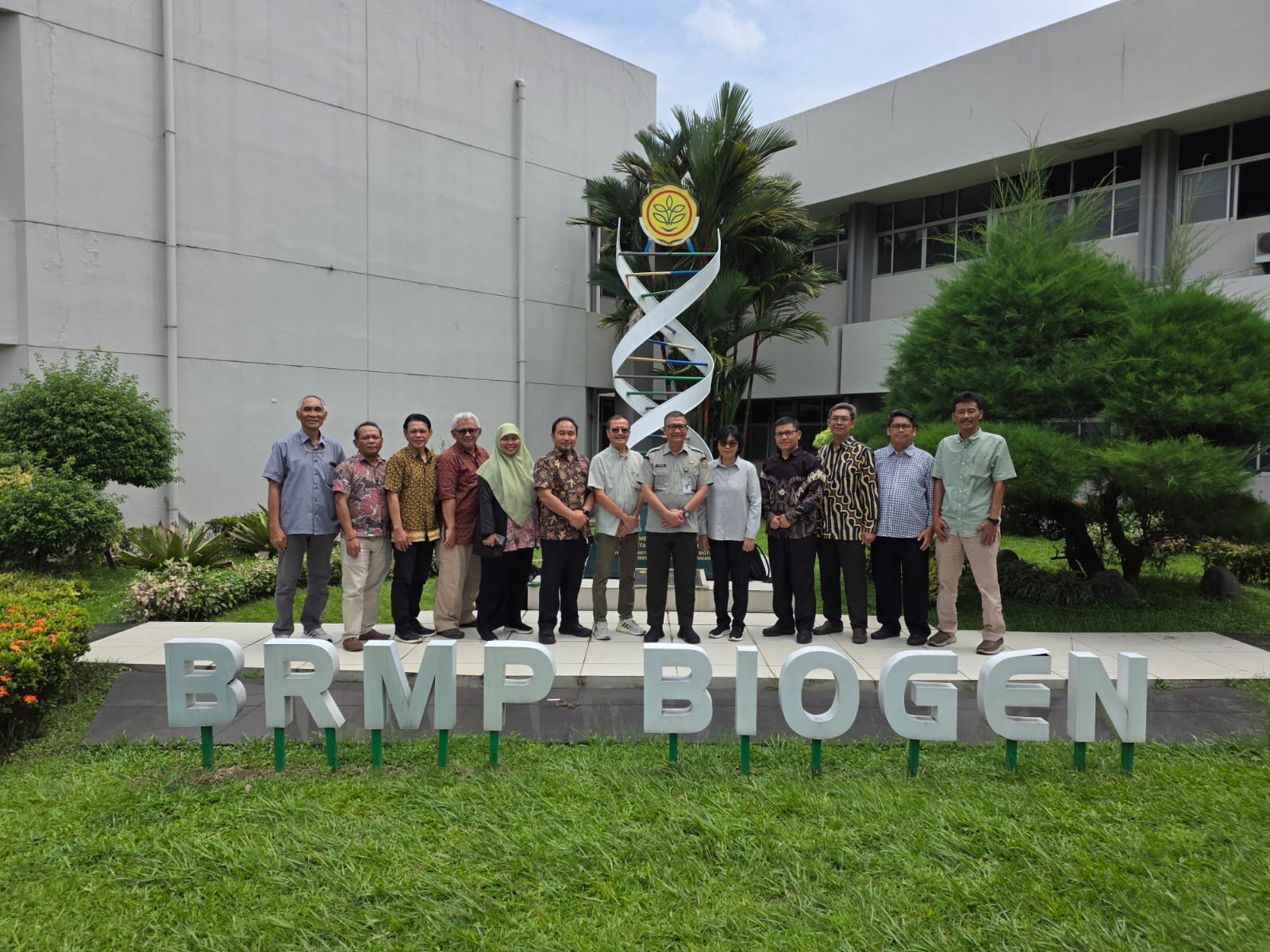
LPM EQUATOR is highly honored to be entrusted with supporting the Crop Diversity Conservation for Sustainable Use in Indonesia (CDCSUI) Project, which is funded by the Global Environment Facility (GEF) and implemented by BioGen, Ministry of Agriculture. As one of the world’s centers of biodiversity, Indonesia is undertaking strategic efforts through the CDCSUI Project. This initiative aims to strengthen the conservation and sustainable use of important food crop diversity, encompassing both wild species and cultivated varieties
Project Background
Through collaboration between the Agency for Agricultural Mechanization and Modernization (BRMP) as the implementing agency and the Food and Agriculture Organization (FAO) as the executing agency, this project is designed to address various critical conservation challenges. The main challenges include fragmented policy coordination and limited capacity in the management of plant genetic resources.
Strategic Project Components
The CDCSUI Project is built on four integrated strategic pillars:
1. Strengthening the Enabling Environment
Designing a cross-sectoral and inclusive policy framework to promote the conservation of plant genetic resources with global uniqueness.
2. Integrated Conservation and Utilization
Protecting local varieties and Crop Wild Relatives as a climate change adaptation strategy, while strengthening national food and nutrition security.
3. Value Chain Development
Creating market and non-market incentives that encourage producer participation and strengthen the economic connectivity of local communities in target areas.
4. Knowledge Management and Public Awareness
Disseminating information, education, and research results to support the promotion of sustainable plant diversity conservation.
Priority Commodities and Target Areas
The project focuses its efforts on five strategic commodities with high economic and food security value: rice, taro, yam, nutmeg, and clove. Implementation is carried out in three provinces with eight districts/cities as priority locations:
Central Java
- Blora Regency
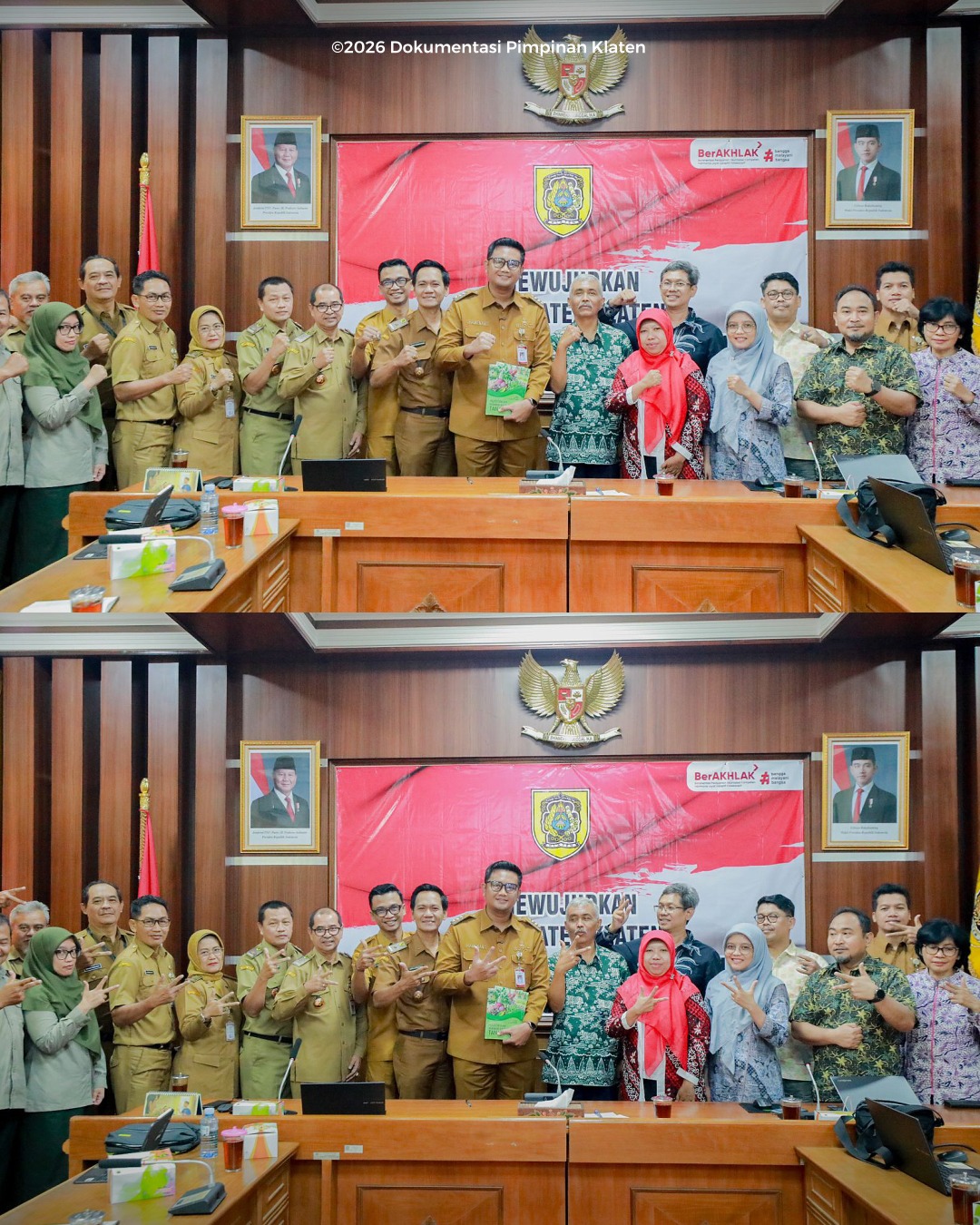
- Klaten Regency
- Magelang Regency
Central Kalimantan
- Kapuas Regency
- Seruyan Regency
- Lamandau Regency
North Maluku
- Tidore Islands City
- South Halmahera Regency
Governance and Multi-Stakeholder Collaboration
Project management is carried out by a Project Management Unit (PMU) based in Bogor. The PMU team consists of cross-disciplinary experts, including policy specialists, agrobiodiversity conservation experts, indigenous peoples specialists, and gender equality experts.
The project emphasizes a participatory approach by involving various stakeholders:
Indigenous and Local Communities
Implementing the principle of Free, Prior, and Informed Consent (FPIC) to guarantee community rights over their traditional knowledge and local wisdom.
Private Sector
Building value chains that provide direct economic benefits to smallholder farmers and local producers.
Academia and Government
Supporting the achievement of Indonesian Biodiversity Strategy and Action Plan (IBSAP) 2025–2045 targets through research and policy strengthening.
Impact and Expectations
The CDCSUI Project is expected to create a strong foundation for sustainable agricultural production systems in Indonesia. The targeted impacts are not limited to the preservation of plant genetic material from extinction threats, but also include:
- Improved livelihoods and welfare of local farmers
- Strengthened economies of indigenous communities in project areas
- Contribution to national food and nutrition security
- Enhanced agricultural adaptation capacity to climate change
Through a holistic approach that integrates conservation, economic empowerment, and policy strengthening, the CDCSUI Project becomes a transformative model in safeguarding Indonesia's agrobiodiversity wealth for future generations.